
U.S. Senator
Bill Cassidy
Republican
U.S. Senator since 2015. A physician who spent years treating patients in Louisiana's public hospitals, he served in the Louisiana Senate and the U.S. House before joining the Senate.
Who does what in Louisiana government, explained in plain language: from your U.S. senators in Washington, to the Governor in Baton Rouge, to your parish and town.
Every Louisiana resident is served by three levels of government at the same time. Each has its own elected leaders and its own jobs, and you vote for people at every level.
Works in Washington, D.C., for the whole country
Handles: national laws, the military, Social Security, Medicare, the Postal Service, immigration, and federal taxes.
Louisiana elects:
Works in Baton Rouge, for all of Louisiana
Handles: state laws and the state budget, state highways, driver's licenses, State Police, colleges, and Medicaid.
Louisiana elects:
Works in your parish and your city, town, or village
Handles: local roads and drainage, water and trash, local police and jails, public schools, and property records.
You elect:
U.S. Senators (there are 2) work in Washington and vote on national laws for the whole state. State senators (there are 39) work in Baton Rouge, vote on Louisiana's laws, and each represent one part of the state. Representatives work the same way: Louisiana has 6 in the U.S. House and 105 in the Louisiana House.
| If you need help with | Contact | Level |
|---|---|---|
| A pothole, streetlight, or drainage on a city street | Your city, town, or village (public works) | Local |
| A road or drainage outside city limits | Your parish government | Local |
| A state highway or interstate | Louisiana Department of Transportation and Development (DOTD) | State |
| Water, sewer, or trash pickup | Your city or parish. Find who to call where you live | Local |
| A driver's license or license plate | Office of Motor Vehicles (OMV) | State |
| Your property value or property tax | Parish assessor (value) and sheriff (tax bill) | Local |
| A marriage license, deed, or court record | Parish clerk of court | Local |
| Registering to vote or finding your polling place | Parish registrar of voters, or the Secretary of State's voter portal | Local and state |
| A public school | Your parish school board | Local |
| An electric, gas, or water company's rates or service | Louisiana Public Service Commission | State |
| A scam or unfair business | Attorney General's office (consumer protection) | State |
| A Louisiana law you want changed | Your state senator and state representative | State |
| Social Security, Medicare, veterans' benefits, the IRS, or a passport | The federal agency, or your U.S. senators' or representative's office if you are stuck | Federal |
| A national law you want changed | Your U.S. senators and U.S. representative | Federal |
| An emergency | Call 911 | Local |
Congress writes the nation's laws and decides how federal money is spent. It has two parts: the Senate, where every state has 2 senators, and the House of Representatives, where states with more people get more seats. Louisiana has 6.
Members of Congress do not run Louisiana's state government; that is the Governor's job. But their offices in Louisiana can help you with a federal agency, such as Social Security, Medicare, Veterans Affairs, the IRS, or passports, when you cannot get an answer yourself.
Both are elected by voters across the whole state, for six-year terms.
U.S. Senator
Republican
U.S. Senator since 2015. A physician who spent years treating patients in Louisiana's public hospitals, he served in the Louisiana Senate and the U.S. House before joining the Senate.

U.S. Senator
Republican
U.S. Senator since 2017. Before that he was Louisiana's State Treasurer for 16 years (2000–2017).
Each is elected by the voters of one district, for two-year terms.

U.S. Representative, District 1
Republican
Represents District 1 since 2008. He is the House Majority Leader, the second-highest leader in the U.S. House.

U.S. Representative, District 2
Democrat
Represents District 2 since 2021. He previously served in the Louisiana Senate and on the New Orleans City Council.

U.S. Representative, District 3
Republican
Represents District 3 since 2017. He is an Army veteran and a former police officer.

U.S. Representative, District 4
Republican
Represents District 4 since 2017. Since October 2023 he has been Speaker of the U.S. House, its top leader and second in line to the presidency after the Vice President.

U.S. Representative, District 5
Republican
Represents District 5 since 2021. She serves on the House Appropriations Committee, which writes federal spending bills.
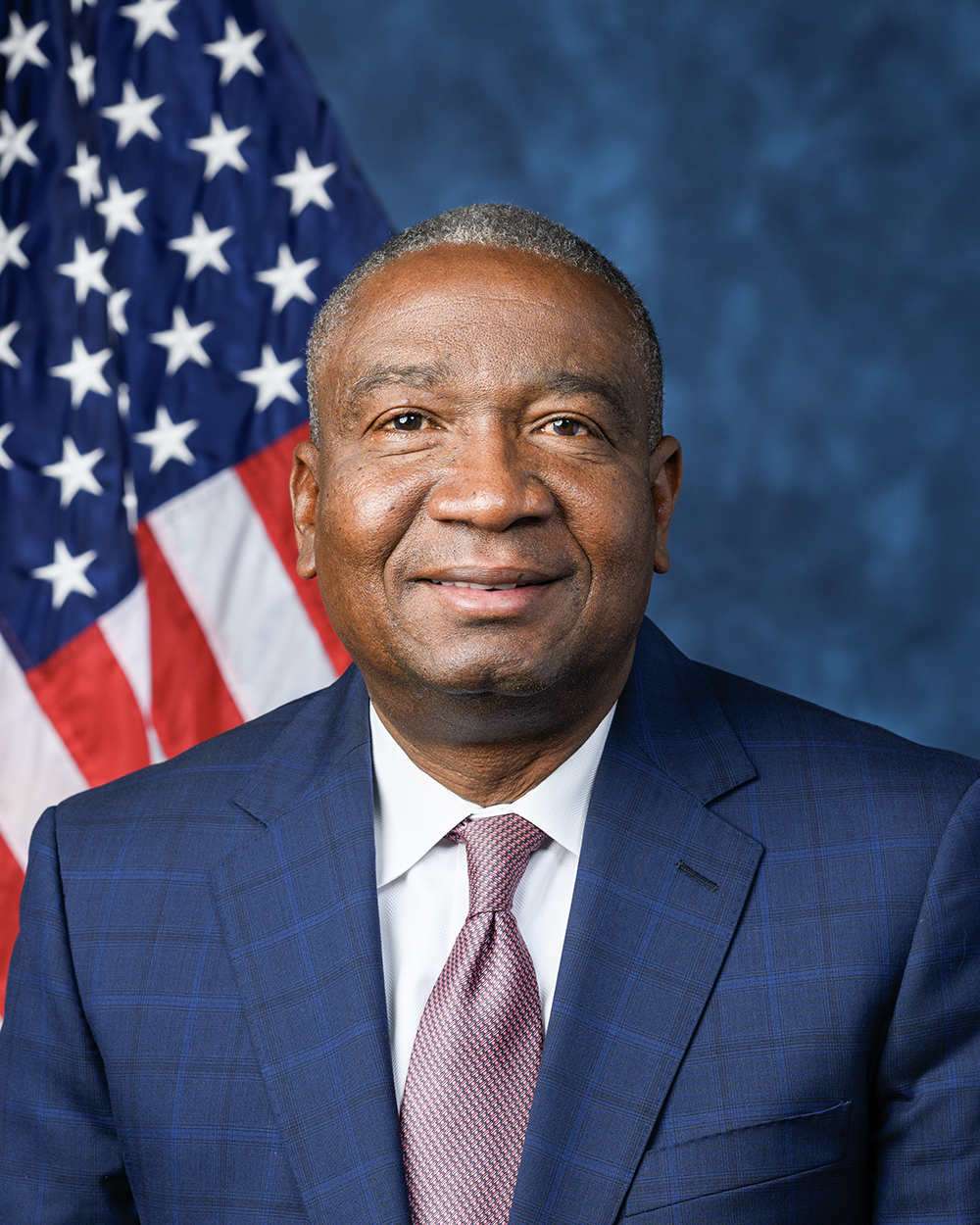
U.S. Representative, District 6
Democrat
Represents District 6 since January 2025. He also served in Congress from 1993 to 1997 and spent many years in the Louisiana Senate.
The Governor is the head of Louisiana's state government. Six other officials are also elected by voters across the whole state. Each runs their own part of state government and does not report to the Governor.

Governor
Republican
Governor since January 2024. Before that he was Louisiana's Attorney General (2016–2024) and represented south Louisiana in the U.S. House (2011–2013). He is an Army National Guard veteran and a former police officer.
What the Governor does:
Elected for four years, and can serve at most two terms in a row.
Both are elected by the whole state, but they have different jobs. The Governor runs Louisiana's own government in Baton Rouge: state agencies, state highways, and the state budget. A U.S. Senator works in Washington, voting on national laws and federal spending, and has no say over how Louisiana's state government is run.

Lieutenant Governor
Republican
Lieutenant Governor since 2016. Before that he was Plaquemines Parish President (2007–2016).
What this office does: Becomes governor if the Governor leaves office. Runs the Department of Culture, Recreation and Tourism, including state parks and museums.

Secretary of State
Republican
Secretary of State since January 2024. She represented Lafayette in the Louisiana House from 2008 to 2020, then served as first assistant secretary of state.
What this office does: Runs elections and voter registration, registers businesses, and keeps the state archives.

Attorney General
Republican
Attorney General since January 2024. Before that she was Louisiana's Solicitor General, the lawyer who argues the state's cases in appeals courts.
What this office does: The state's lawyer. Represents Louisiana in court, protects consumers from scams, and fights fraud.

Treasurer
Republican
State Treasurer since January 2024. A physician and Navy veteran, he represented northwest Louisiana in the U.S. House from 2009 to 2017.
What this office does: Manages the state's money and returns unclaimed property, such as forgotten bank accounts, to its owners.

Commissioner of Insurance
Republican
Commissioner of Insurance since January 2024. He worked in the insurance industry before taking office.
What this office does: Regulates insurance companies and handles complaints about home, car, and health insurance.
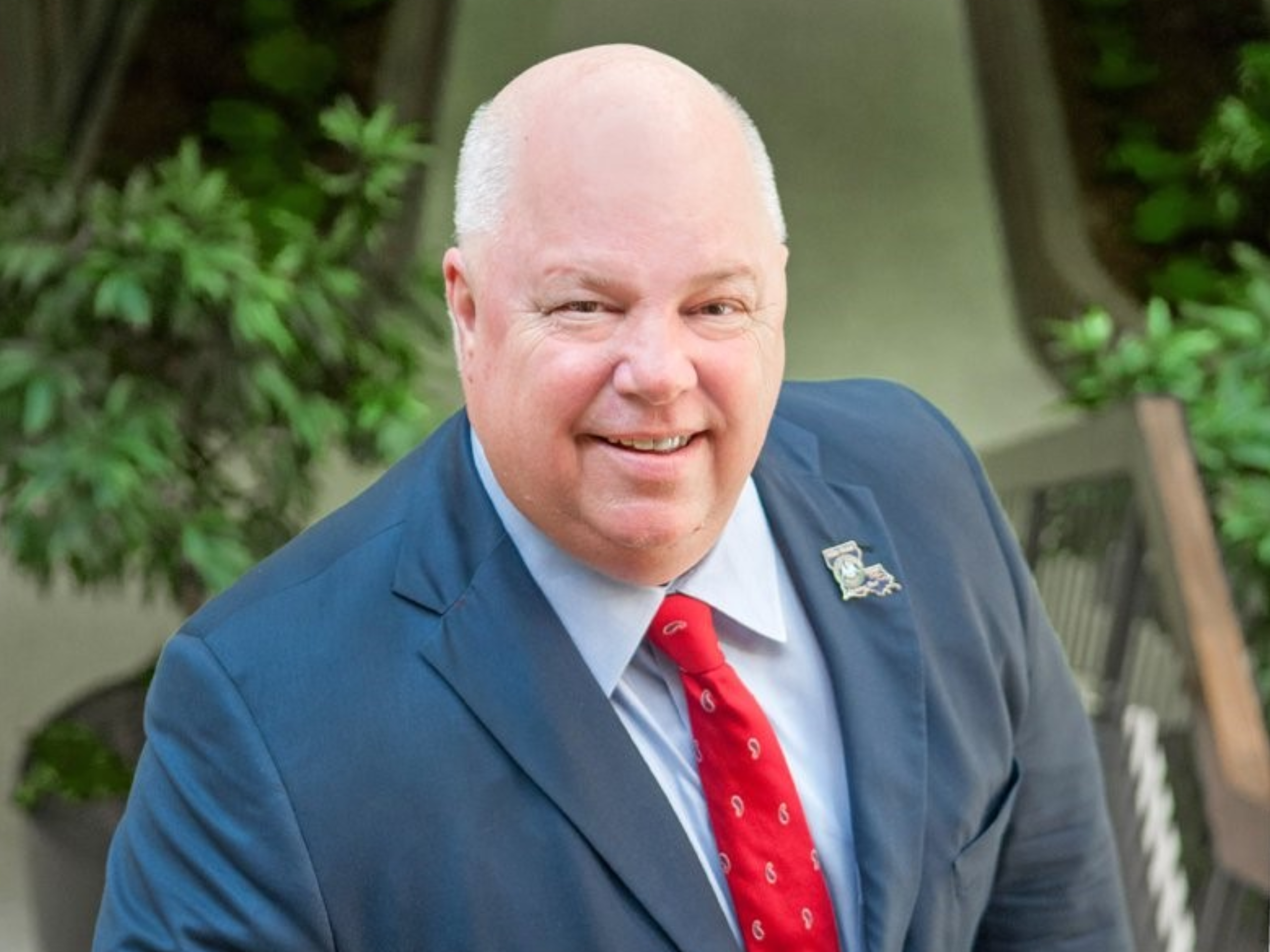
Commissioner of Agriculture and Forestry
Republican
Commissioner of Agriculture and Forestry since 2008. A veterinarian, he served in the Louisiana House before that.
What this office does: Oversees farming and forests, food safety, and checks that gas pumps and store scales are accurate.
The Legislature writes Louisiana's laws and passes the state budget. It meets at the State Capitol in Baton Rouge for a few months each spring, and sometimes in special sessions.
Each legislator is elected by one district for a four-year term and can serve up to three terms in a row in the same chamber. You have one state senator and one state representative.
Changes to the Louisiana Constitution also need voters' approval, which is why proposed amendments appear on your ballot.
In a legislature or in Congress, the party that holds more than half the seats has the majority. The majority picks the leaders, such as the Speaker of the House, runs the committees, and decides which bills come up for a vote. A bill still needs enough votes to pass, so the minority party's votes can matter on close questions.
Louisiana's own members of Congress are 6 Republicans and 2 Democrats, counting both senators and all 6 representatives.
Counts are of seats filled today and change with special elections. Party control of Congress is decided again in the November 3, 2026 election.
Courts decide cases and interpret the law. In Louisiana, judges are elected.
Louisiana is divided into 64 parishes, which are like counties in other states. Within them are 304 cities, towns, and villages. If you live inside one, both your town and your parish serve you. If you live outside town limits, your parish handles most local services.
Each parish is run either by a police jury (an elected board; despite the name, it does not run the police) or by a parish council and parish president. A few, including East Baton Rouge, Lafayette, Terrebonne, and Orleans, combine their city and parish governments into one.
| Office | What they do |
|---|---|
| Sheriff | Law enforcement outside city limits, the parish jail, and collecting property taxes |
| Assessor | Sets the value of property for taxes. Contact them if you think your value is wrong or to claim a homestead exemption. |
| Clerk of court | Keeps court records and land records such as deeds, and issues marriage licenses |
| Coroner | Investigates deaths, and can order emergency mental health evaluations |
| School board | Runs the parish's public schools and hires the superintendent |
| District attorney | Prosecutes crimes. Each judicial district, covering one or more parishes, elects one. |
Each is run by an elected mayor and a city council or board of aldermen. Many also elect a police chief. They are classed by population: cities have 5,000 or more people, towns1,001 to 4,999, and villages 1,000 or fewer.
| Office | Elected by | Works in | Main job | Term |
|---|---|---|---|---|
| U.S. Senator (2) | The whole state | Washington, D.C. | Votes on national laws; approves federal judges and treaties | 6 years |
| U.S. Representative (6) | One district | Washington, D.C. | Votes on national laws; federal tax and spending bills start in the House | 2 years |
| Governor | The whole state | Baton Rouge | Runs state government; signs or vetoes state laws | 4 years, up to 2 in a row |
| State senator (39) | One district | Baton Rouge | Votes on state laws and the state budget | 4 years, up to 3 in a row |
| State representative (105) | One district | Baton Rouge | Votes on state laws and the state budget | 4 years, up to 3 in a row |
| Parish president or police juror | Your parish, or your district of it | Your parish seat | Parish roads, drainage, and services outside towns | 4 years |
| Mayor and council | Your city, town, or village | City hall | Streets, water, trash, and police inside town limits | 4 years |
Select a heading to open the full list.
Names and photos come from the Legislature, the U.S. House, and official state websites, and are updated when this site's data is refreshed. The short bios were last reviewed on . Officials change after elections, so check with the office if something looks out of date.